man to w umen


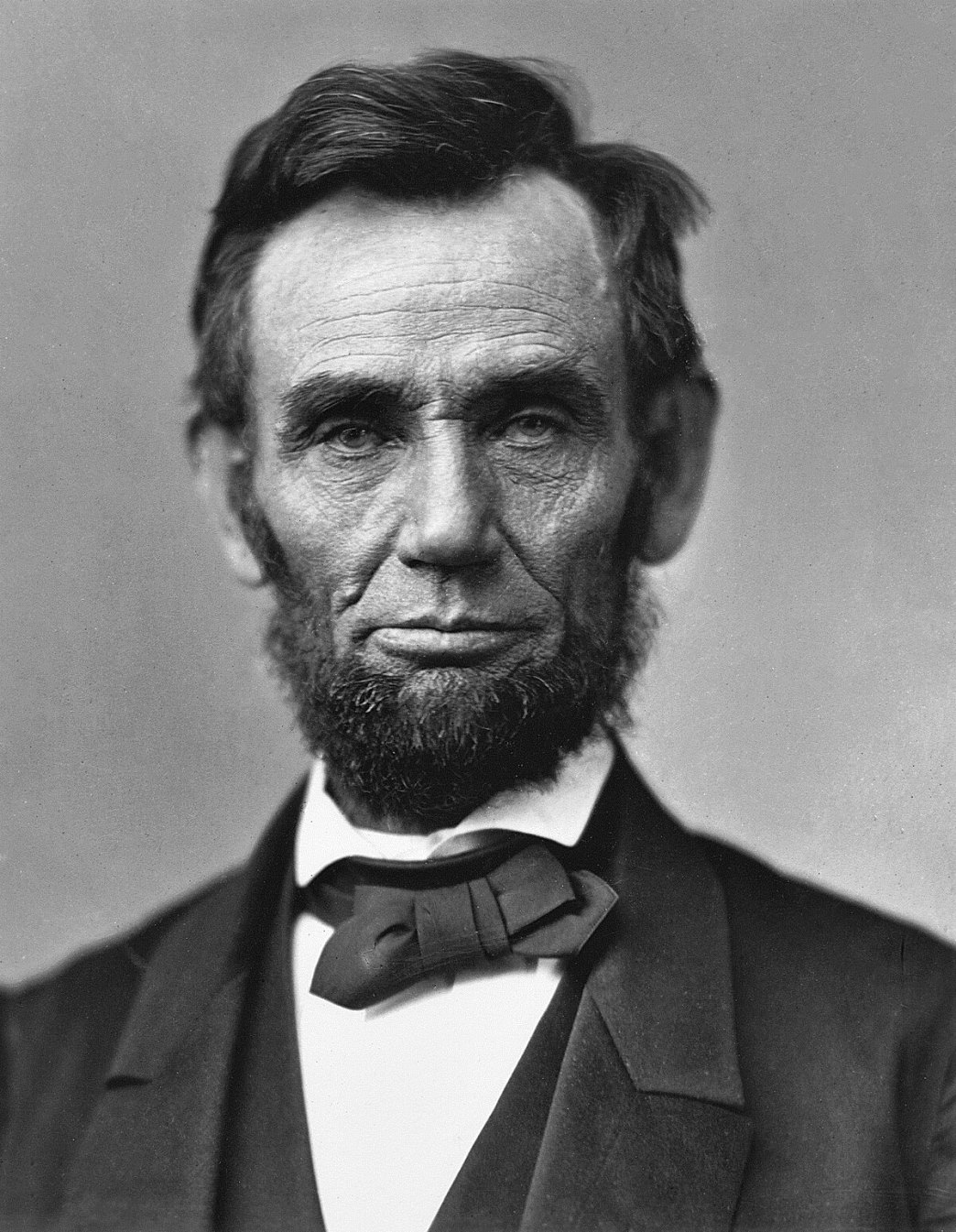
Abraham Lincoln was an American statesman and politician, the 16th President of the United States (March 4, 1861 - April 15, 1865).
The son of a frontiersman and a Kentucky farmer, Lincoln worked hard from an early age and struggled to learn. He was a militiaman in the Indian War, practiced law, and sat in the Illinois legislature for eight years. He was an opponent of slavery and gradually gained a national reputation that earned him victory in the 1860 presidential election.
After becoming the 16th president of the United States, Abraham Lincoln turned the Republican Party into a strong national organization. In addition, he drew most Northern Democrats to the Union side. On January 1, 1863, he issued the Emancipation Proclamation, which declared permanently free those slaves who were in Confederate territory. Lincoln considered secession illegal and was prepared to use force to defend federal law and the Union. Four more slave states joined the Confederacy, but four remained in the Union, and the Civil War of 1861-1865 began.
Lincoln personally directed the military action that led to victory over the Confederacy. Abraham Lincoln was reelected in 1864, and on April 14, 1865, he was fatally shot at Ford's Theatre in Washington, D.C. by actor John Wilkes Booth.
Abraham Lincoln is a national hero of the American people, he is considered one of the best and most famous presidents of the United States until today.
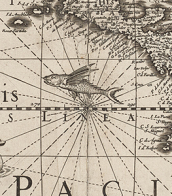
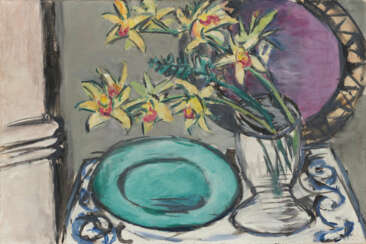

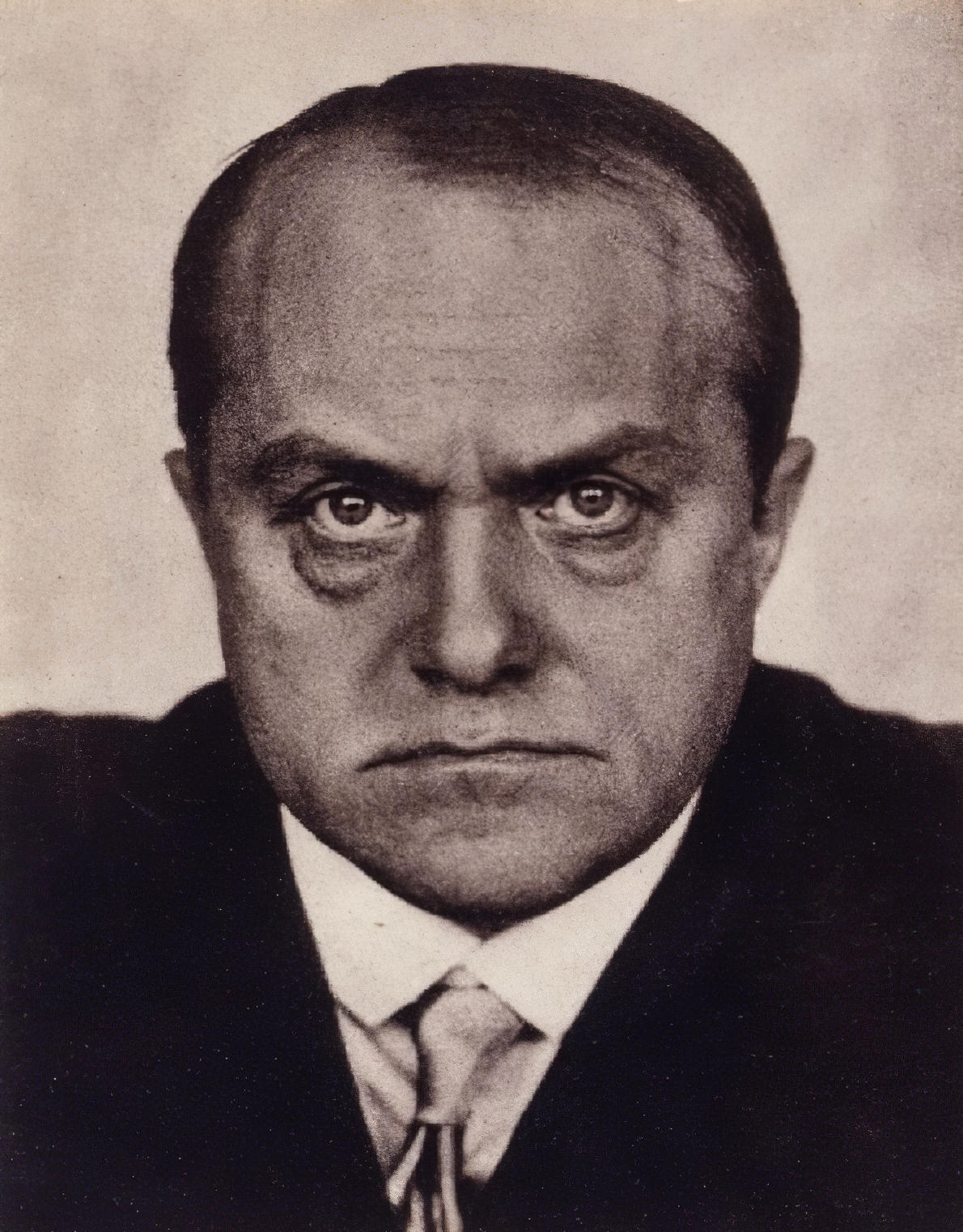
Max Beckmann, a German painter, printmaker, sculptor, and writer, stood out in the early 20th century for his profound contributions to modern art. Beckmann's career spanned a tumultuous period in history, deeply influencing his thematic and stylistic choices. Unlike many of his contemporaries who embraced non-representational painting, Max Beckmann persisted with and evolved the tradition of figurative painting, drawing inspiration from a wide array of artists spanning from Cézanne and Van Gogh to medieval masters like Bosch and Bruegel.
Max Beckmann's experiences, particularly those related to the World Wars, significantly shaped his work. Following Adolf Hitler's rise to power and the subsequent condemnation of modern art as "degenerate," Beckmann fled Germany, spending a decade in self-imposed exile in Amsterdam before eventually relocating to the United States. His art from this period, especially his large triptychs, is considered some of his most potent, offering a stark reflection on humanity and the chaos of the times.
One of Max Beckmann's most personally allegorical works, "Beginning" (1949), encapsulates his knack for blending real and imagined elements from his life to comment on the broader human condition. This piece, alongside others, underscores Beckmann's enduring fascination with the existential struggles modern society faces, teetering between desire and societal roles.
Max Beckmann's legacy is cemented not just by his unique approach to modernism but also by his influence on subsequent generations of artists, particularly in the United States, where he spent his final years teaching and working. Despite a path that often diverged from the mainstream narratives of art history, Beckmann's work continues to resonate, housed in prestigious institutions like The Museum of Modern Art and The Metropolitan Museum of Art in New York.
For collectors and experts in art and antiques, Max Beckmann's oeuvre offers a compelling exploration of 20th-century art and history. To stay informed about new discoveries, sales, and auction events related to Max Beckmann, consider signing up for updates. This subscription ensures access to the latest opportunities to engage with the work of one of modernism's most individual voices.
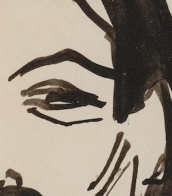


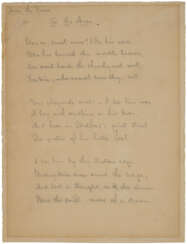

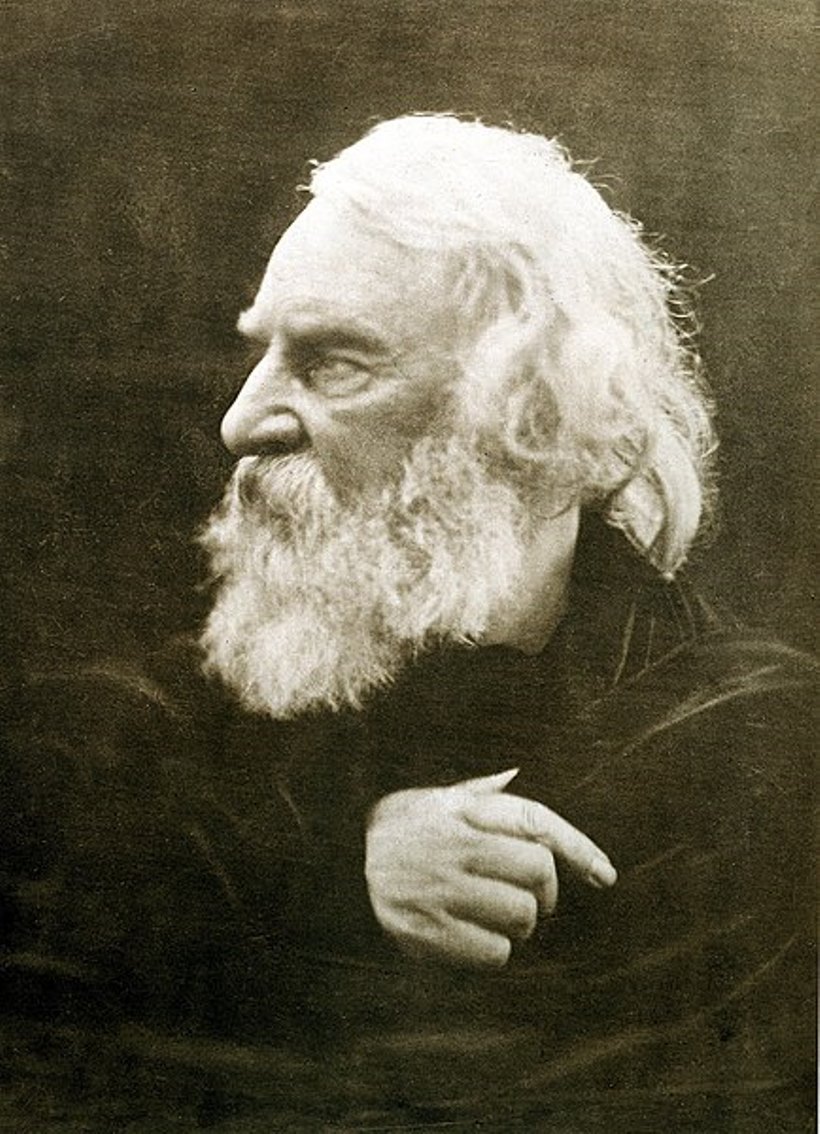
Henry Wadsworth Longfellow was the most popular American poet of the nineteenth century.
Longfellow is one of the most revered poets in the United States. His poems "Paul Revere's Ride", "Evangeline", "The Tale of Acadia" (1847) and "Psalm of Life" were included in elementary and high school curricula and have long been remembered by generations of readers who studied them as children. Longfellow revitalized American literary life by linking American poetry to European traditions outside of England.
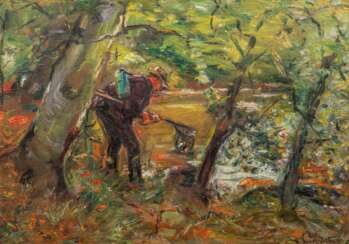

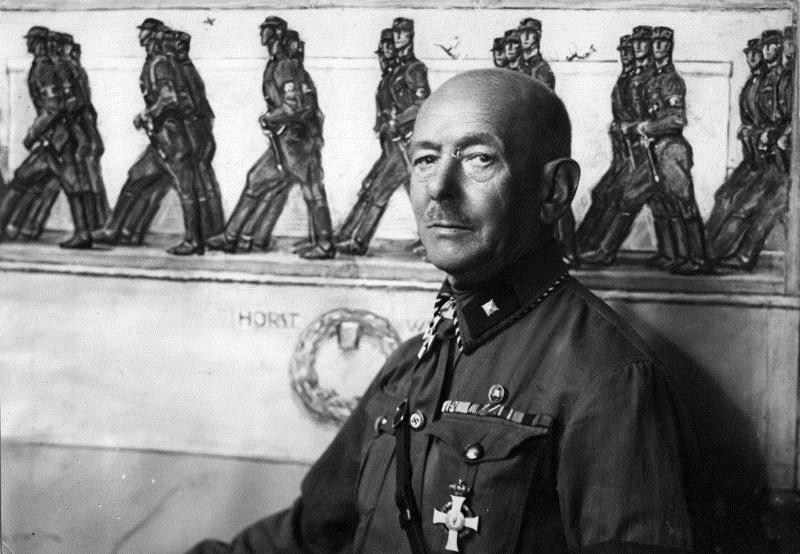
Ludwig Julius Christian Dettmann was a German artist of the late 19th century and the first half of the 20th century. He is known as one of the leading representatives of the Secession in Germany.
Dettmann began his career as an illustrator and in 1895 became a professor at the Berlin Academy of Arts. He then switched to landscape painting, worked in oil and watercolor techniques and became one of the first Impressionists in Germany. In 1898 the artist joined the Association of German Free Artists and co-founded the Berlin Secession. In 1900 Dettmann became director of the Königsberg Academy of Arts and promoted the development of the Nida colony of landscape artists on the Curonian Spit.

.jpg)
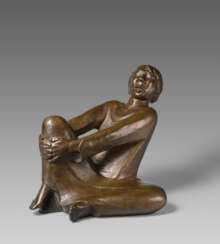
Ernst Heinrich Barlach was a German expressionist sculptor, medallist, printmaker and writer. Although he was a supporter of the war in the years leading to World War I, his participation in the war made him change his position, and he is mostly known for his sculptures protesting against the war. This created many conflicts during the rise of the Nazi Party, when most of his works were confiscated as degenerate art. Stylistically, his literary and artistic work would fall between the categories of twentieth-century Realism and Expressionism.





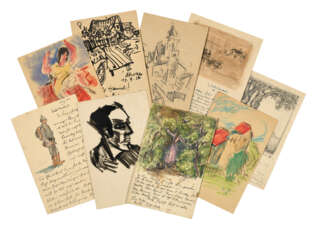

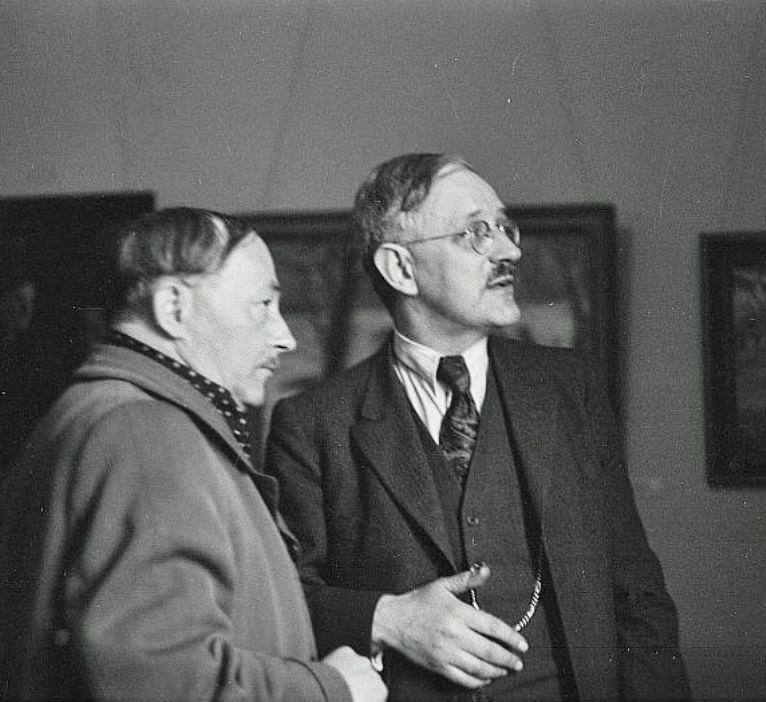
Max Schwimmer is a German painter, graphic artist, and illustrator, a member of the Academy of Arts in Berlin.
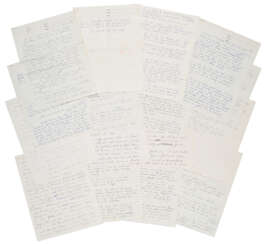



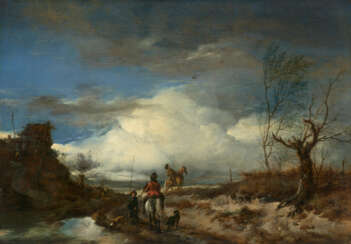

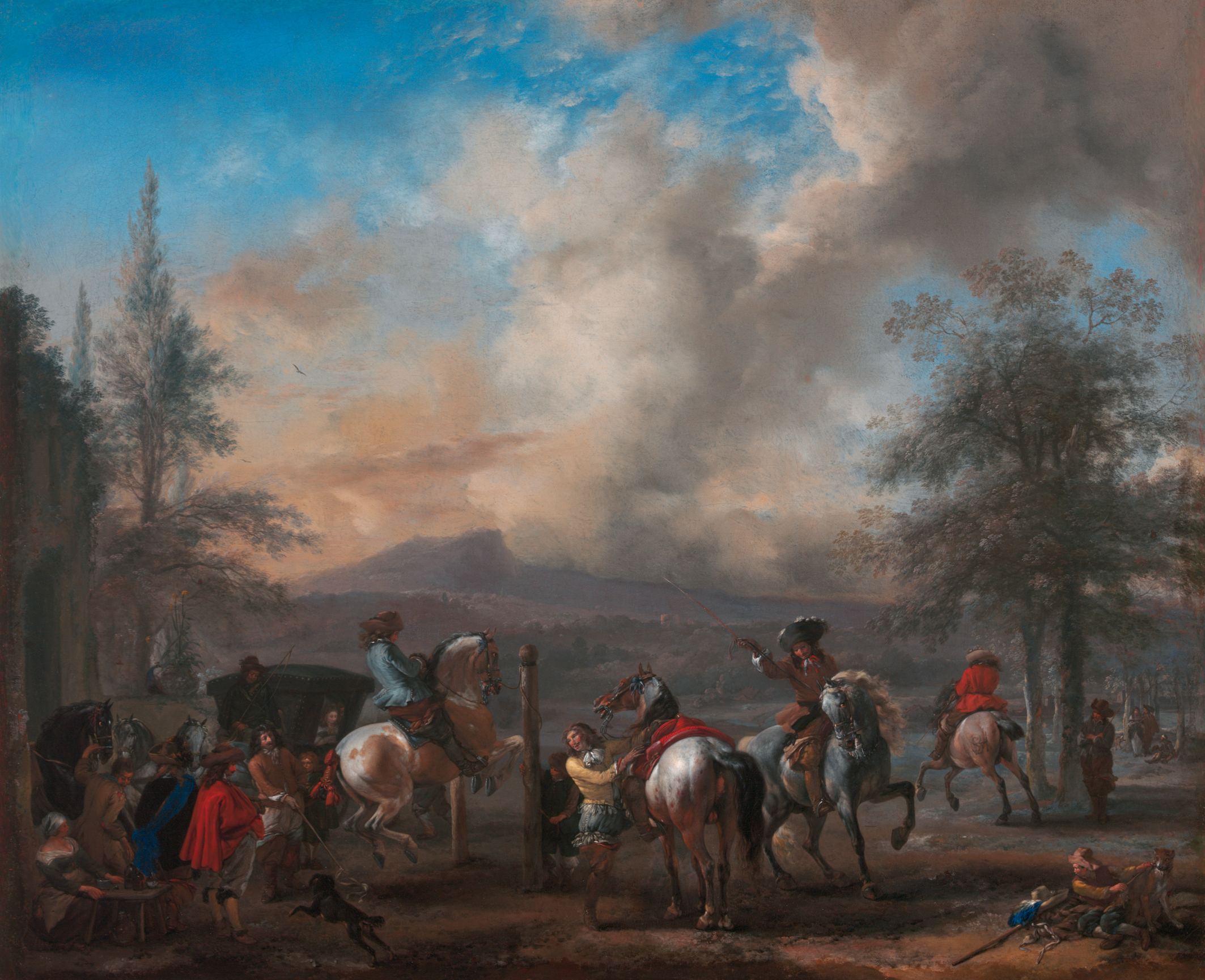
Philips Wouwerman was a distinguished Dutch painter. Renowned for his equestrian scenes, landscapes, and battle depictions, Wouwerman's work embodies the richness of the Dutch Golden Age of painting. He initially trained under his father, Paulus Wouwerman, and possibly with the celebrated artist Frans Hals, showcasing a deep engagement with the artistic milieu of Haarlem.
Wouwerman's career is marked by a prolific output, with about 570 of his works confidently attributed to him today. His oeuvre was once thought to include up to 1200 pieces, a testament to his influence and the extensive body of followers and imitators he inspired across Europe. His brothers, Jan and Pieter Wouwerman, were also painters who are sometimes confused with Philips due to their stylistic similarities.
Philips Wouwerman's paintings are celebrated for their dynamic composition and intricate detail, particularly his treatment of horses which has been a subject of admiration across centuries. His landscapes often feature Italianate settings, despite no concrete evidence suggesting he ever visited Italy. His style was notably influenced by Pieter van Laer, another Haarlem artist with a significant Italian experience, from whom Wouwerman might have acquired sketches and studies.
For art collectors and experts, Wouwerman's work provides a fascinating glimpse into 17th-century Dutch culture, offering scenes filled with vibrancy and life that capture the viewer's imagination. His paintings can be found in prestigious museums worldwide, including the Rijksmuseum in Amsterdam, The National Gallery in London, and the Kunsthistorisches Museum in Vienna, showcasing his widespread acclaim and the enduring legacy of his art.
For those interested in exploring the captivating world of Philips Wouwerman and staying informed about new discoveries, sales, and auction events related to his work, signing up for updates is highly recommended. This ensures access to the latest information and opportunities related to one of the Dutch Golden Age's most versatile and prolific artists.
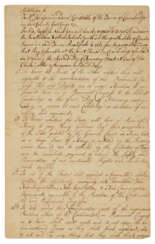

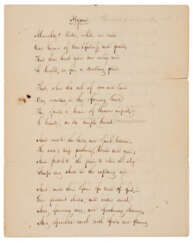

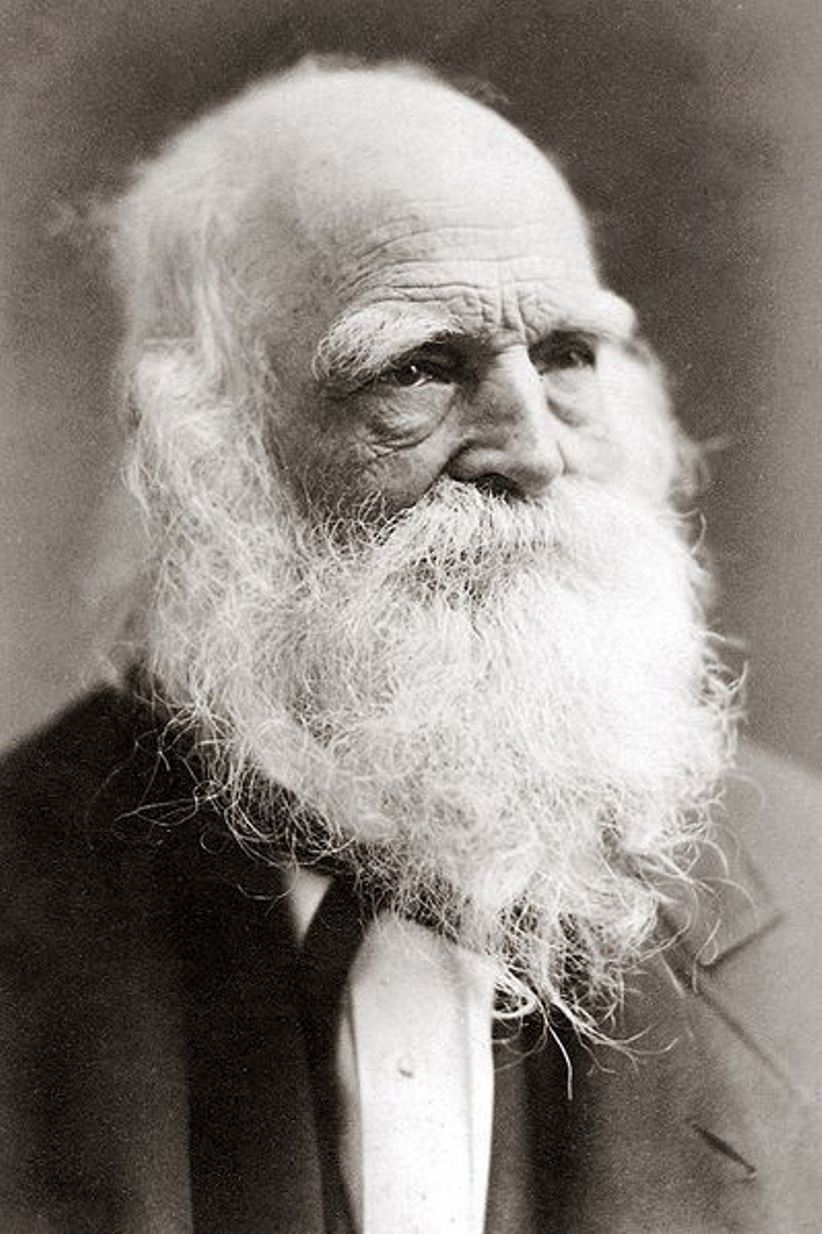
William Cullen Bryant is an American poet, journalist, and editor-in-chief of the New York Post.
He began his education at Williams College, then studied law and worked as a lawyer, but a very different fate awaited him. In 1825, he moved to New York City and became co-editor of the New York Review. In 1827 he became editor of the New York Evening Post, and in 1829 he became its editor-in-chief and co-owner.
Bryant remained in this position until his death, for 50 years. He made the Post a voice for free trade, workers' rights, free speech, and abolition of the death penalty, and he was a founding member of the Republican Party.
Bryant wrote poetry from his early youth and announced himself by publishing a book of Poems (1821). His main theme was nature, and his best-known poems are "Thanatopsis" and "To a Waterfowl." In later years he devoted much time to translations and was an active patron of art and literature.
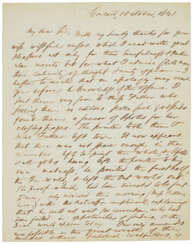

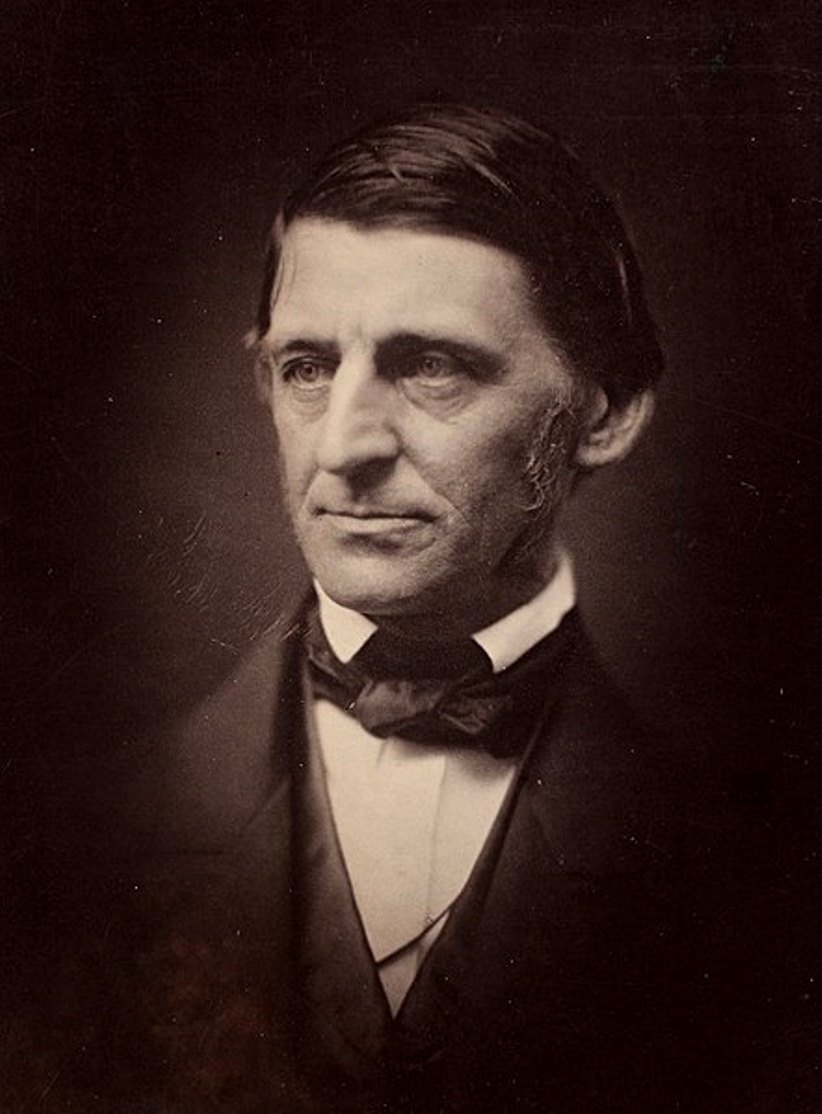
Ralph Waldo Emerson was an American philosopher, lecturer and poet, one of the most prominent thinkers and writers in the United States, and the originator of transcendentalism.
Ralph studied at Boston State Latin School and then at Harvard College (later Harvard University), began to preach, but soon doubted his chosen path and resigned his ministry. Emerson went to Europe, where new acquaintances and knowledge led him to new thoughts, and, returning to the United States in 1833, he began writing his famous book "Nature", where he first formulated a philosophy called transcendentalism. Soon other thinkers rallied around him, forming a group of like-minded thinkers.
In the essay "Nature," published in 1836, and in the following works, "The American Scholar" and "An Address in the School of Theology," Emerson consistently developed his ideas. Emerson's doctrine of the self-sufficiency and self-reliance of the individual stems from his view that a person need only look into his own heart to receive the spiritual guidance that has hitherto been the prerogative of the official churches. One must then have the courage to be oneself and trust the inner power within oneself, living one's life according to the commandments one has intuitively derived. These thoughts are not new, but Emerson put them in imaginative and accessible language.
Emerson's speeches led to his being ostracized at Harvard for many years. However, the informal Transcendental Club, founded in 1836, was joined and supported by his young students. The world fame of the brilliant thinker Emerson brought his "Essays" in two volumes, published in 1841 and 1844. As the main representative of transcendentalism, Emerson gave direction to the religious, philosophical and ethical movement, which above all emphasized belief in the spiritual potential of each person.
A later work of confession, The Conduct of Life (1860), demonstrates the author's developed humanism and full awareness of human limitations. The voluminous collection of poems cemented Emerson's reputation as a major American poet.
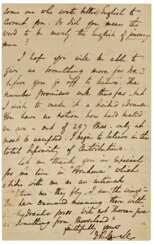

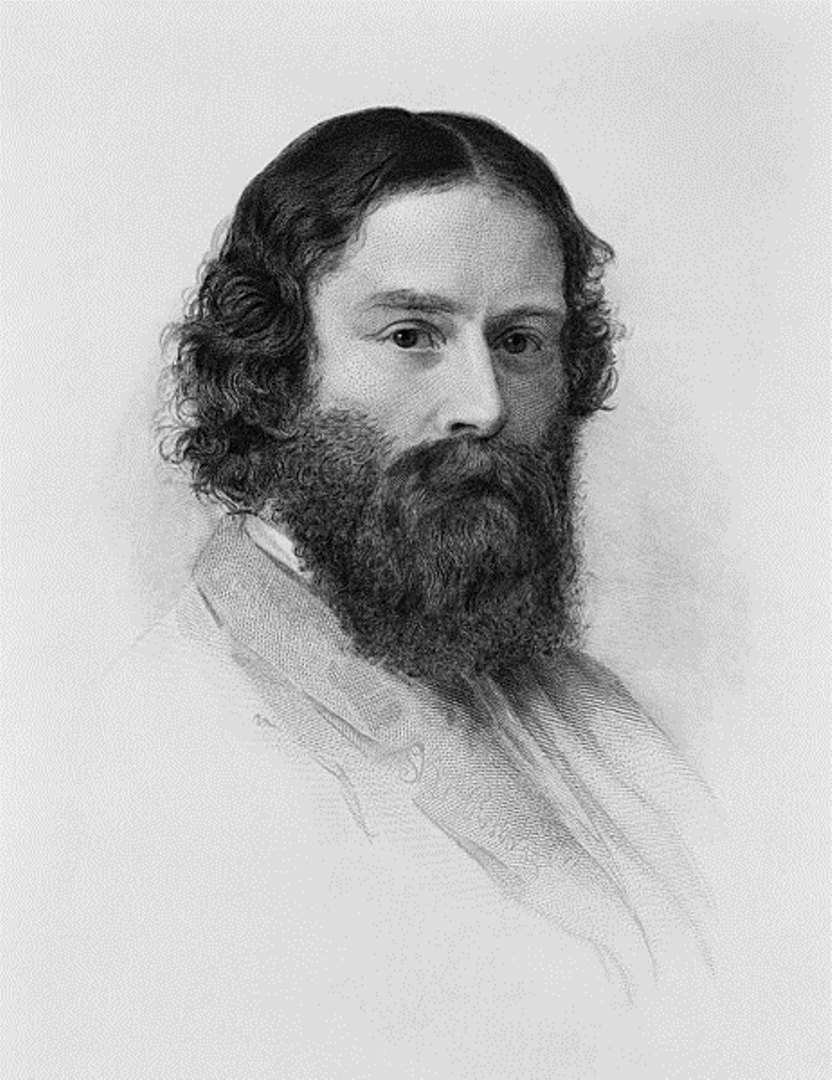
James Russell Lowell was an American poet, educator, and diplomat.
From 1845 to 1850, he wrote about 50 articles against slavery for periodicals. Two of Lowell's other two most important works were also published in 1848: the poem "Sir Launfal's Vision," praising the brotherhood of man, and "A Fable for Critics," a witty appraisal of contemporary American authors. These books, together with the publication in the same year of a second series of his poems, made Lowell the most popular new figure in 19th-century American literature.
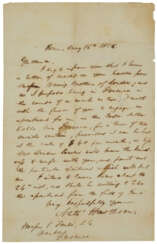

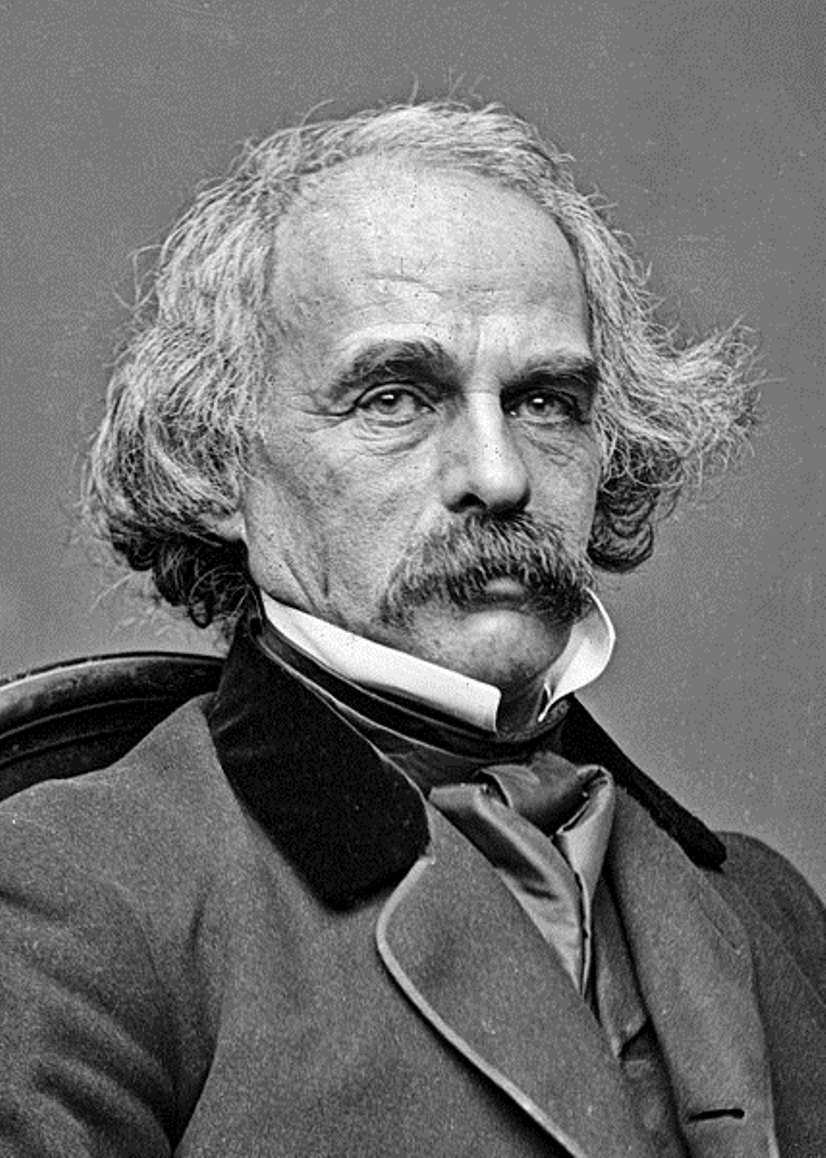
Nathaniel Hawthorne is an American writer and author.
Hawthorne is a recognized short story writer and a master of allegorical and symbolic narrative. One of the first fiction writers in American literature, he is best known for his works The Scarlet Letter (1850) and The House of Seven Gables (1851). Hawthorne's artistic works are considered part of the American Romantic movement and, in particular, of so-called dark Romanticism, a popular mid-19th-century fascination with the irrational, the demonic, and the grotesque.
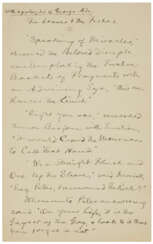

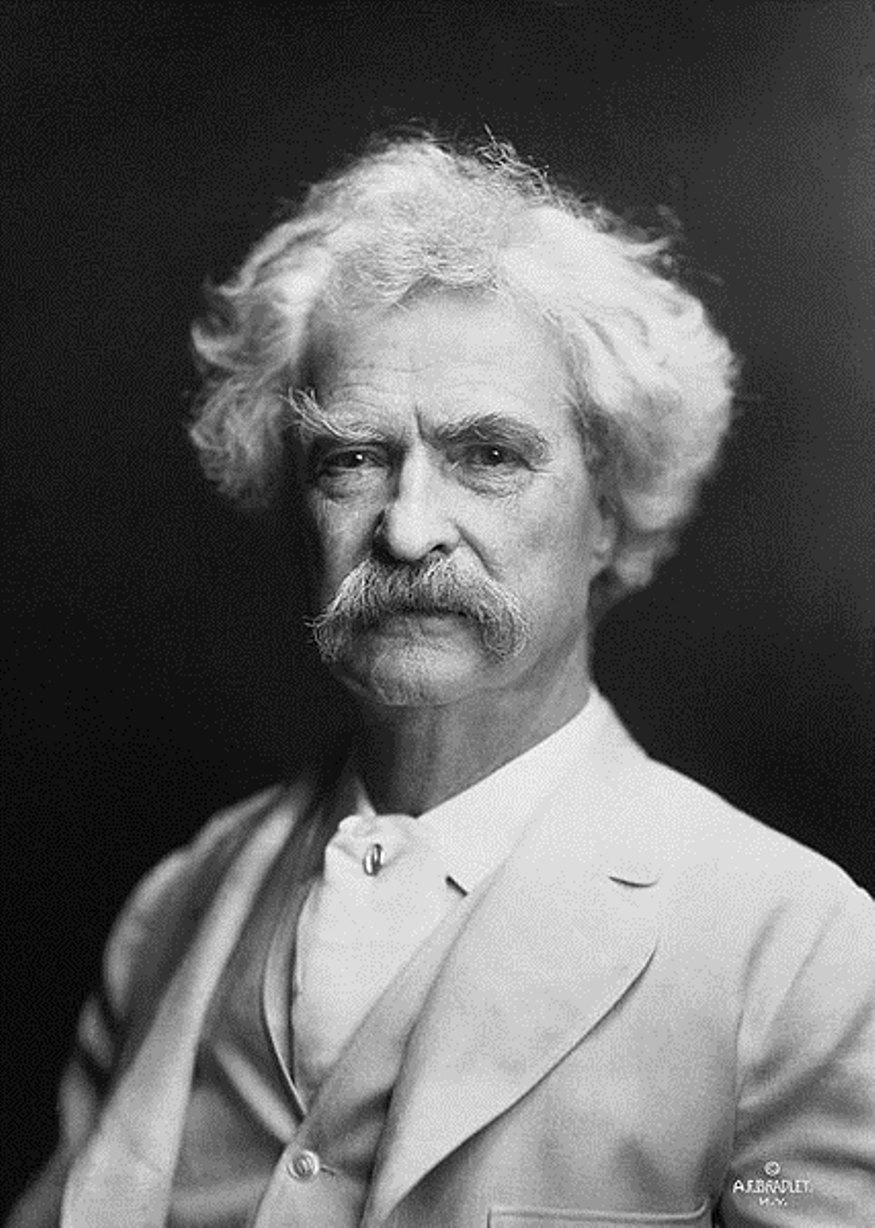
Mark Twain, real name Samuel Langhorne Clemens, was an American humanist writer, journalist, and social activist.
As a young man, Samuel worked in the printing press and in the gold mines, then went on a steamboat trip to Europe and the "Holy Land". His travel letters, full of vivid descriptions and ironic observations, were very well received by the public and were later revised into his first book, Innocents Abroad, published in 1869.
The pseudonym "Mark Twain" first appeared in 1863 under one of Samuel Clemens' short stories, and since then all his significant works have been signed by that name.
A talented storyteller, a peculiar humorist and moralist, Twain knew and loved his many diverse characters. His scandalizers and dreamers, caring aunts and ambitious politicians, grumpy widows and lying aristocrats, cunning but generous slaves, sentimental moralists, brave and naive children - all these types of American people Twain gave voice to thanks to his masterful command of colloquial language, slang and jargon. Twain wrote a lot and in a variety of genres: humor and satire, philosophical fiction and journalism and others, but he always stood on the position of humanist and democrat.
Mark Twain became world famous for his travel stories and adventure novels about his childhood, these are "The Adventures of Tom Sawyer" (1876) and "The Adventures of Huckleberry Finn" (1885). Twain is still one of America's, and indeed the world's, best and most beloved writers. His works have been and are still being published in many languages around the world.
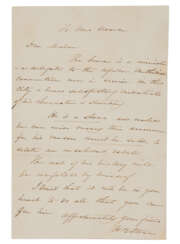

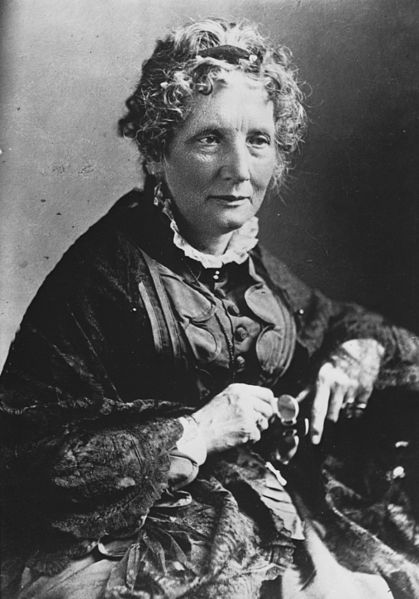
Harriet Beecher Stowe, full name Harriet Elisabeth Beecher Stowe, was an American writer and poet, an activist for the eradication of slavery in the country.
Beecher Stowe is the author of the world-famous novel Uncle Tom's Cabin. Published first in a newspaper and first published as a book in 1852, it aroused widespread anger in the country and galvanized the fight against slavery in the southern United States. This novel was later reprinted many times in all languages of the world and has been screened more than once.
In her youth, Beecher Stowe received an academic education, wrote poetry, notes and essays on social topics. In addition to "The Shack", she wrote several other novels and was engaged in teaching.
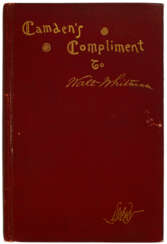

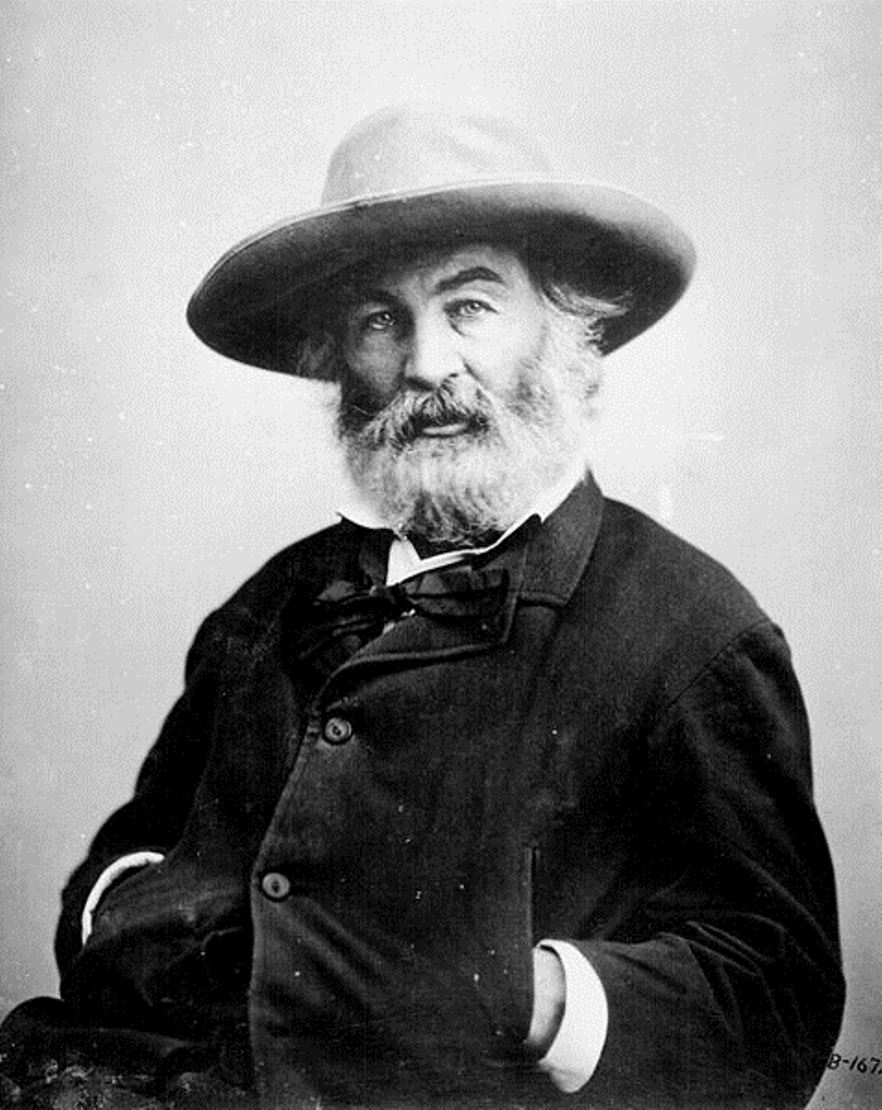
Walt Whitman was an American poet and essayist.
For some time in his youth Whitman worked as a journalist and even published his own newspaper, where he raised issues of slavery. In 1855, he self-published a collection of his poems, Leaves of Grass. This book is now a milestone in American literature, although at the time of publication it was considered highly controversial. In the early 1860s, Whitman volunteered in hospitals for the Civil War, resulting in a collection of new poems.
During his lifetime, his first collection, Leaves of Grass, underwent many editions and grew to 300 poems. It was only towards the end of his life that Whitman found fame as the first national poet of the United States. Whitman was translated into Russian by K. Balmont, I. Kashkin, and K. Chukovsky.
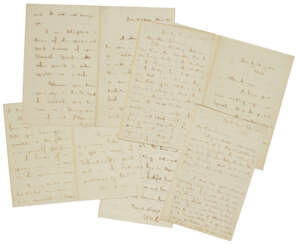

Henry Wadsworth Longfellow was the most popular American poet of the nineteenth century.
Longfellow is one of the most revered poets in the United States. His poems "Paul Revere's Ride", "Evangeline", "The Tale of Acadia" (1847) and "Psalm of Life" were included in elementary and high school curricula and have long been remembered by generations of readers who studied them as children. Longfellow revitalized American literary life by linking American poetry to European traditions outside of England.
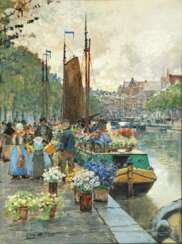

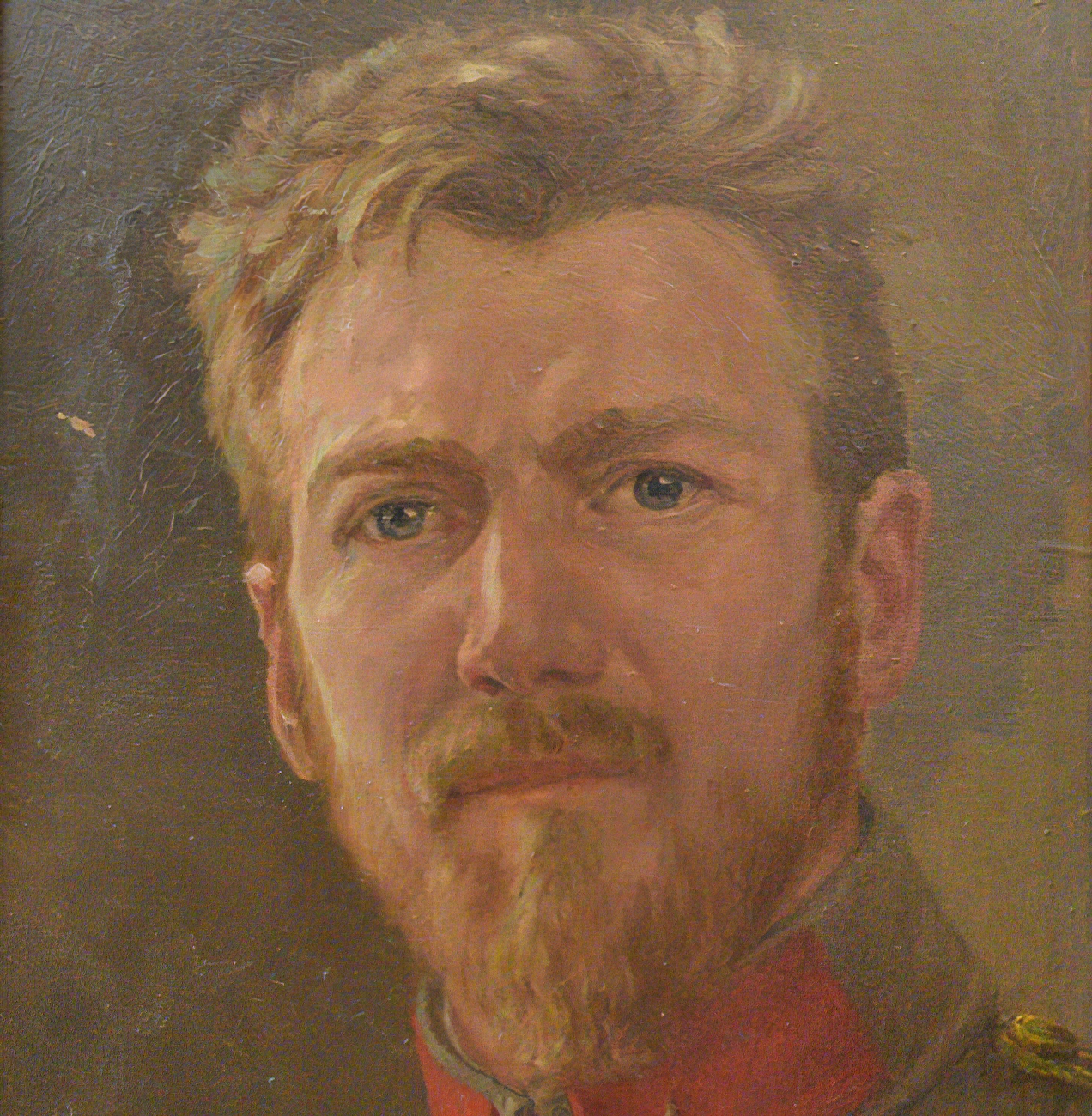
Johann Emil Rudolf Herrmann, known as Hans, was a German landscape and genre painter. He specialized in scenes of the Netherlands.

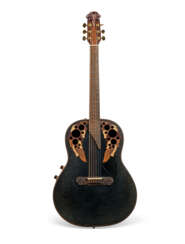


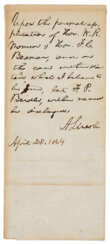

Abraham Lincoln was an American statesman and politician, the 16th President of the United States (March 4, 1861 - April 15, 1865).
The son of a frontiersman and a Kentucky farmer, Lincoln worked hard from an early age and struggled to learn. He was a militiaman in the Indian War, practiced law, and sat in the Illinois legislature for eight years. He was an opponent of slavery and gradually gained a national reputation that earned him victory in the 1860 presidential election.
After becoming the 16th president of the United States, Abraham Lincoln turned the Republican Party into a strong national organization. In addition, he drew most Northern Democrats to the Union side. On January 1, 1863, he issued the Emancipation Proclamation, which declared permanently free those slaves who were in Confederate territory. Lincoln considered secession illegal and was prepared to use force to defend federal law and the Union. Four more slave states joined the Confederacy, but four remained in the Union, and the Civil War of 1861-1865 began.
Lincoln personally directed the military action that led to victory over the Confederacy. Abraham Lincoln was reelected in 1864, and on April 14, 1865, he was fatally shot at Ford's Theatre in Washington, D.C. by actor John Wilkes Booth.
Abraham Lincoln is a national hero of the American people, he is considered one of the best and most famous presidents of the United States until today.

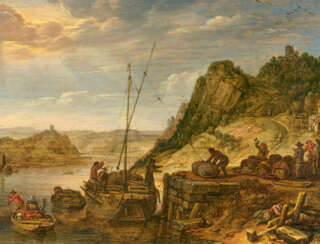

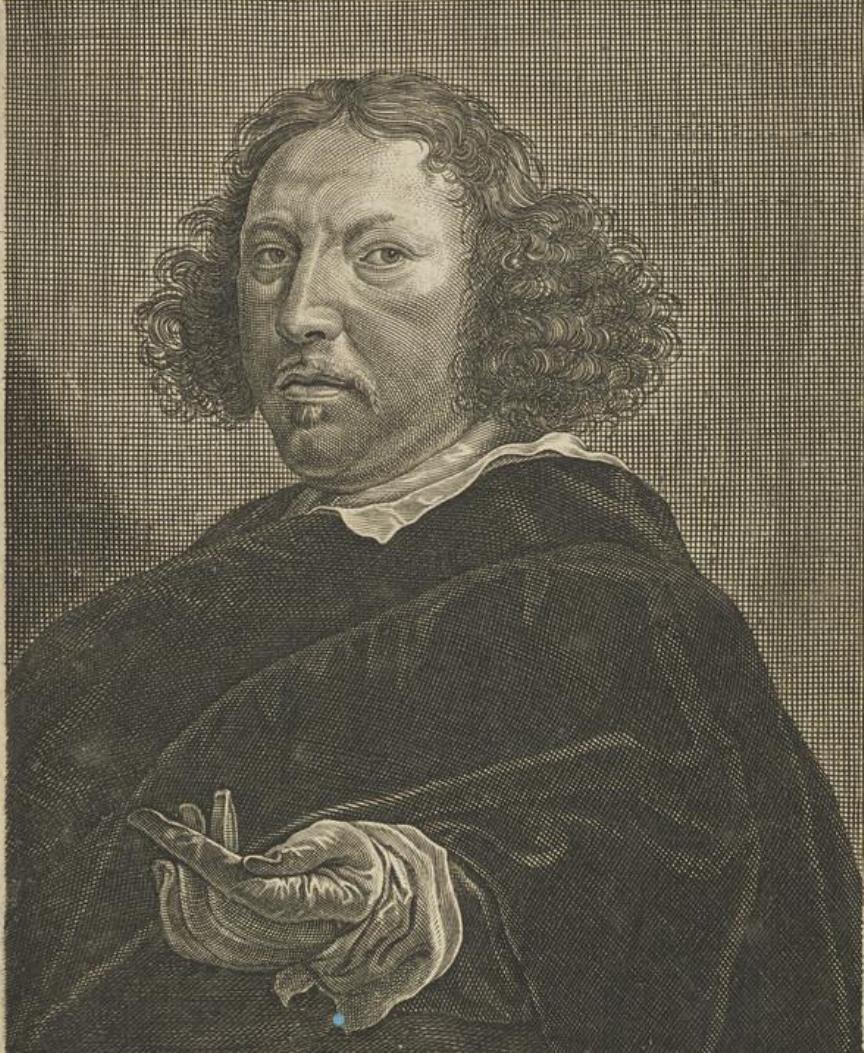
Herman Saftleven the Younger was a Dutch artist of the Golden Age who was Dean of the Guild of St. Luke in Utrecht.
Herman Saftleven the Younger was born into a creative family. His father, Hermann Saftleven the Elder (c. 1580-1627), was the father of three artist sons, Hermann the Younger, Cornelis (1607-1681), and Abraham Saftleven (c. 1611/13 - 1646).
Saftleven the Younger was an extremely productive painter, draughtsman, and printmaker. He is known for his landscapes near rivers as well as scenes of people traveling in the woods.
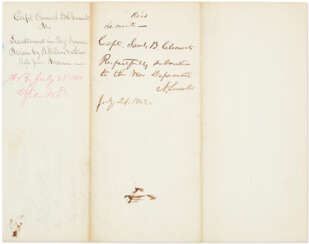

Abraham Lincoln was an American statesman and politician, the 16th President of the United States (March 4, 1861 - April 15, 1865).
The son of a frontiersman and a Kentucky farmer, Lincoln worked hard from an early age and struggled to learn. He was a militiaman in the Indian War, practiced law, and sat in the Illinois legislature for eight years. He was an opponent of slavery and gradually gained a national reputation that earned him victory in the 1860 presidential election.
After becoming the 16th president of the United States, Abraham Lincoln turned the Republican Party into a strong national organization. In addition, he drew most Northern Democrats to the Union side. On January 1, 1863, he issued the Emancipation Proclamation, which declared permanently free those slaves who were in Confederate territory. Lincoln considered secession illegal and was prepared to use force to defend federal law and the Union. Four more slave states joined the Confederacy, but four remained in the Union, and the Civil War of 1861-1865 began.
Lincoln personally directed the military action that led to victory over the Confederacy. Abraham Lincoln was reelected in 1864, and on April 14, 1865, he was fatally shot at Ford's Theatre in Washington, D.C. by actor John Wilkes Booth.
Abraham Lincoln is a national hero of the American people, he is considered one of the best and most famous presidents of the United States until today.